What Are the Good Neighborhoods in Denver and Why?
Why the Right Neighborhood Makes All the Difference
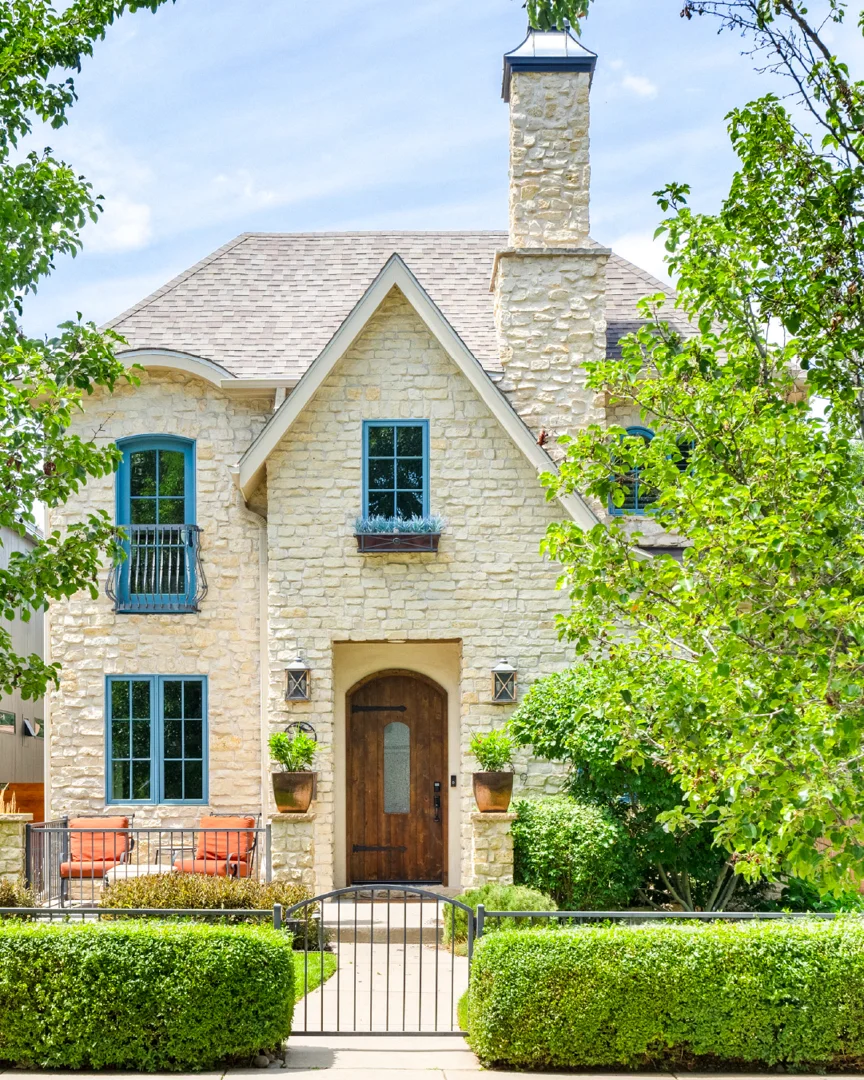
Good Denver neighborhoods are defined by more than just home prices—they're shaped by walkability, community character, access to parks and dining, and how well they match your daily life. According to local rankings and market data, top neighborhoods include Capitol Hill, Five Points/RiNo, Highland (LoHi), LoDo, Washington Park, and Congress Park, each offering distinct advantages for different lifestyles.
Denver's population of over 716,000 continues to grow, and recent data shows the average home sale price sits around $781,195. But choosing where to live isn't just about what you can afford—it's about finding a place that fits how you want to live. Some neighborhoods buzz with nightlife and art galleries. Others offer tree-lined streets, farmers markets, and quiet parks. The "best" neighborhood depends entirely on your priorities.
Here at The Heidi Cox Team, we've helped countless buyers find their perfect fit among Denver's diverse good Denver neighborhoods, matching lifestyle needs with local market realities. Here's how we think about what makes a neighborhood truly "good"—and how to find yours.
How We Define "Good": Finding Your Perfect Denver Fit
Denver is a city that consistently draws people in, whether for its abundant sunshine, fantastic restaurants and bars, vibrant arts and music scene, or growing local businesses. When you’re looking for a home here, it’s not just about the house; it’s about finding a community that supports the life you want to build.
The Denver housing market can feel dynamic, with recent data showing the average home sale price at $781,195. Eleven of the top 25 neighborhoods in Denver now have an average home price over $1 million. Those numbers can feel intimidating, but price is only one piece of the puzzle.
When we talk about a "good" neighborhood, we are really talking about fit. A good neighborhood for you is one that lines up with your values, your daily routine, and your budget. We look at things like:
- community feel
- walkability
- local amenities (parks, restaurants, shops)
- access to public transit or commute routes
- perceived safety
To make sense of it all, we often look at ranking systems that use a weighted approach, such as:
- Home prices (30% weight for year-over-year change)
- Safety (25% weight)
- School ratings (15% weight)
- "X factor" score (30% weight)
The "X factor" covers the things that are harder to put into a spreadsheet but matter in everyday life: access to open space, public transportation, and how many shops, restaurants, and services are nearby.
It also helps to understand the difference between Denver's official neighborhood boundaries and the names locals actually use. Areas like LoHi (Lower Highland) or RiNo (River North Art District) are common in conversation, but they don’t always show up as separate neighborhoods on the city of Denver’s official map.
We spend our days in these neighborhoods—talking with neighbors, touring homes, watching how streets and blocks evolve over time. That local perspective means we can help you sort through the noise and focus on where you’ll actually feel at home. If you want to dig deeper into how we navigate buyers through the Denver market, you can learn more about our approach to buying.
A Closer Look at Some of the Best Denver Neighborhoods
Now, let's look at some of Denver's most sought-after neighborhoods, each offering a different blend of lifestyle, amenities, and community. As you read through them, notice which details feel like a match for how you want to live day to day.
Capitol Hill: Historic, Vibrant, and Unbeatable Location

Capitol Hill is a great choice if you want an affordable, central, culturally rich urban experience. The neighborhood is steeped in history, with the golden-domed Colorado State Capitol and beautiful historic homes along "Millionaire's Row."
One of Capitol Hill's biggest strengths is its walkability. It’s considered the second-most walkable neighborhood in Denver, so daily errands, commuting, and nights out are simple without driving. You’re just a quick trip from Denver's Central Business District, which is convenient if you work downtown or nearby.
Capitol Hill offers:
- an active nightlife and bar scene
- a wide range of dining options
- nearby cultural attractions like the Denver Art Museum and History Colorado Center
- live music and entertainment at spots like The Ogden Theatre
Local favorite restaurants include Jelly Cafe, Potager, City, O’ City, and Bar Nun Denver.
From a budget standpoint, Capitol Hill can be a more accessible way to live close to the city center. With a median home price of $384,269 and a median rent price of $1,267 (or an average monthly rent of $1,899), it often works well for renters and first-time buyers. The crime statistic you may see online—"safer than 0% of Denver neighborhoods"—reflects that this is a dense, busy urban area. Like any city neighborhood, it’s smart to stay aware of your surroundings, but many young professionals choose to live here for the convenience and energy.
Five Points / RiNo: Denver's Hub of Culture and Creativity

If you’re drawn to a strong arts scene, local history, and a buzzing nightlife, Five Points—and its popular sub-district, the River North Art District (RiNo)—might be worth a close look.
Five Points has deep roots as the "Harlem of the West," once a center of jazz and African American culture in Denver. Today, that history mixes with new restaurants, housing, and creative spaces.
RiNo, which sits within the larger Five Points area, is known for:
- colorful street murals on almost every block
- galleries and artist studios
- breweries, cideries, and taprooms
- food halls and chef-driven restaurants
Monthly First Friday events often feature exhibition openings and live music. You’ll find venues like The Roxy Denver and Cervantes’ Masterpiece Ballroom, and the annual Five Points Jazz Festival keeps the neighborhood’s musical roots alive.
Popular spots include The Infinite Monkey Theorem winery, The Source Hotel’s market hall (home to Safta), and Temaki Den. Coors Field is close by as well, which is handy if you like to catch Rockies games.
The median home price in Five Points is $555,882, with a median rent price of $1,463 (or an average monthly rent of $2,317). It’s considered safer than 68% of Denver neighborhoods and sits less than ten minutes from the city center, making it appealing if you want an energetic, urban lifestyle with easy downtown access. If you’d like more detail on one of the historic corners of this area, our Curtis Park Denver Neighborhood Guide is a helpful deeper dive.
Highland (including LoHi): Chic, Scenic, and Full of Flavor
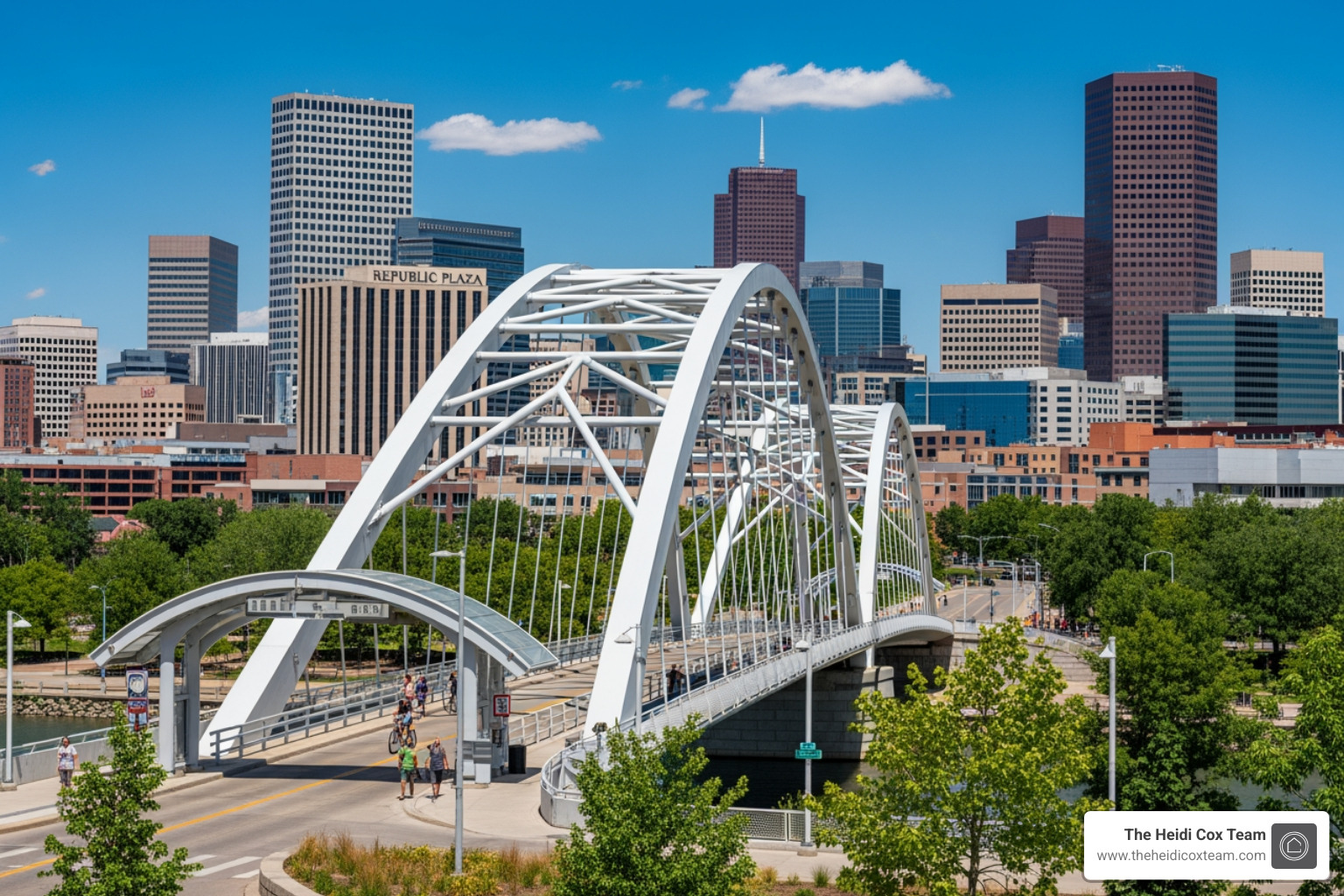
Highland, which includes Lower Highland (LoHi) and Highland Square, blends historic charm with modern design. You’ll see Queen Anne and Craftsman-style homes mixed with contemporary townhomes and condos.
Why many buyers like Highland:
- quick access to Downtown Denver via the Highland Pedestrian Bridge
- great city and mountain views from several streets and patios
- a strong restaurant and bar scene
- small local shops and boutiques
Restaurants like Root Down and Bar Taco are neighborhood favorites, and the speakeasy-style Williams & Graham is a fun local experience. Little Man Ice Cream, with its giant milk can, is almost a Denver landmark at this point.
Outdoor options include:
- paths and trails along the South Platte River
- City of Cuernavaca Park for walking, picnics, and views
- nearby recreation centers with fitness and sports options
With a median home price of $538,020 and a median rent price of $1,731 (or an average monthly rent of $2,414), Highland tends to sit in the “premium” urban category. It’s considered safer than 32% of Denver neighborhoods. If you’re looking for a walkable, stylish neighborhood with easy downtown access, it’s often one of the top places we explore with clients.
LoDo (Lower Downtown): Where Historic Charm Meets Urban Energy
LoDo, short for Lower Downtown, is Denver’s oldest neighborhood and one of its most active. Founded in 1858 during the gold rush, it now combines preserved brick warehouses with modern lofts, offices, restaurants, and shops.
LoDo stands out for:
- excellent walkability
- close proximity to major employers downtown
- a wide mix of dining, nightlife, and sporting events
Union Station is the heart of the area and a major transit hub. It connects you to the airport, suburbs, and other Denver Metro neighborhoods via RTD and light rail, which can make commuting simpler if you prefer to leave the car at home.
Around Union Station you’ll find:
- restaurants like Snooze, Mercantile Dining and Provision, and Urban Farmer
- local shops and cafes
- the Crawford Hotel
A short walk away, Larimer Square features string lights overhead and historic buildings with boutiques and restaurants like Rioja.
Sports and entertainment are a big part of LoDo’s appeal:
- Coors Field for Rockies games
- McGregor Square for watching games, events, and dining
- MCA Denver (Museum of Contemporary Art) for rotating exhibits and rooftop events
LoDo is described as safer than 91% of Denver neighborhoods, and with a median home price of $441,900 and a median rent price of $1,342 (or an average monthly rent of $2,470), it can be more attainable than people expect for such a central location.
What About Good Denver Neighborhoods for a Quieter Vibe?
Some of Denver's best neighborhoods are less about nightlife and more about calm streets, parks, and a strong sense of community. These can be a great fit if you’re thinking about schools, yard space, or simply quieter evenings.
Washington Park: A Good Denver Neighborhood for an Active Lifestyle
Washington Park, often called "Wash Park," is a favorite for people who want an active lifestyle and a neighborhood feel. It’s consistently ranked as one of the best places to live in Denver and tends to attract both singles and families. It’s considered safer than 77% of Denver neighborhoods.
The centerpiece is Washington Park itself, which includes:
- a replica of George Washington’s Mount Vernon gardens
- two lakes, playgrounds and tennis courts
- miles of walking, running, and biking paths
On any given day you’ll see people walking dogs, pushing strollers, playing volleyball, or relaxing by the water. The Cherry Creek Trail is also nearby, offering more miles of paved paths that connect to other parts of the city.
Homes here range from older bungalows to larger, newer builds, with tree-lined streets and occasional mountain views.
Nearby local shopping and dining options include:
- Historic South Gaylord Street
- South Pearl Street (known for boutiques, restaurants, and seasonal events like Oktoberfest)
- the South Pearl Street Farmers Market on Sunday mornings from June through October
You’ll find local favorites such as Devil’s Food Bakery, Perdida, Campus Lounge, and Bonnie Brae Ice Cream. With a median home price of $816,840 (and an average sale price closer to $1,300,000) and a median rent price of $2,092 (or an average monthly rent of $2,392), Washington Park sits on the higher end of the price spectrum. For many, the access to green space, central location, and community feel make it a strong long-term investment.
Congress Park: A Good Denver Neighborhood Balancing City and Calm
Congress Park offers a quieter, more residential feel while still keeping you close to the heart of the city. If you like the idea of tree-lined streets and historic homes but don’t want to feel far from restaurants and cultural spots, this neighborhood may be a good fit.
Congress Park is known for:
- its namesake park with sports fields, green space, and a community pool (when open)
- proximity to the Denver Botanic Gardens
- local cafes, shops, and smaller restaurants
The Botanic Gardens are a highlight, with themed gardens from multiple climate zones and a packed summer concert schedule. It’s an easy way to get some nature without leaving central Denver.
Day-to-day, Congress Park tends to feel calm and residential, but Colfax Avenue and Cherry Creek are close enough for more nightlife, shopping, and dining.
Congress Park often works as a middle ground between cost and convenience. It can be a good option if you want a quieter neighborhood feel without giving up access to central Denver. If you’d like to take a closer look at the area, our Congress Park Denver Neighborhood Guide is a great place to start.
Frequently Asked Questions about Finding a Home in Denver
We know that moving to a new city or choosing a new neighborhood can feel like a lot of decisions all at once. Here are a few common questions we hear from buyers and renters exploring Denver.
Which Denver neighborhood is the most walkable?
Walkability matters to many people, especially if you’d rather not drive for every errand. In Denver, several neighborhoods stand out for being very convenient on foot.
LoDo and Capitol Hill are consistently ranked among the most walkable. Capitol Hill is often cited as the second-most walkable neighborhood in Denver, with a high Walk Score that makes daily errands and entertainment easy without a car. LoDo is also highly walkable, with blocks full of restaurants, shops, and attractions.
Highland (especially LoHi) is another walkable area, with a pedestrian bridge that connects you directly to Downtown Denver.
When we talk about walkability with clients, we usually ask:
- Do you want to walk to work or to transit?
- Is it more important to be close to restaurants and nightlife or to grocery stores and parks?
Denver’s public transit system, centered around Union Station, can help fill in the gaps. 16th Street also has a free shuttle, which makes getting around downtown easier.
What's the difference between RiNo and Five Points?
This question comes up a lot, and it’s a good one because it touches on how Denver has changed over time.
- Five Points is the larger, historically significant neighborhood. It’s known for its legacy as the "Harlem of the West" and as a longtime center of jazz and African American culture in Denver.
- RiNo (River North Art District) is an arts-focused district within the broader Five Points area. It grew out of a more industrial pocket and is now known for murals, galleries, breweries, and creative businesses.
So when you say you’re headed to RiNo for drinks or an art walk, you’re technically still in the Five Points neighborhood. They share geography but highlight different parts of Denver’s history and culture.
How do I balance affordability and amenities in Denver?
Balancing budget and lifestyle is one of the main challenges in the Denver Metro market. We don’t believe there’s one “right” answer, but there are a few helpful ways to think about it.
Start with your non-negotiables.
- Do you want a shorter commute or more square footage?
- Are you prioritizing access to a particular school area?
- Is a yard important, or would a balcony or shared outdoor space work?
Be aware of trade-offs.
- Generally, the closer you are to the city center and major amenities, the higher the prices.
- Neighborhoods a bit farther out—or just outside the most in-demand pockets—can offer more space for the same budget.
Stay flexible on property type.
- Condos and townhomes often offer a more affordable way into popular neighborhoods than single-family homes.
- That can allow you to live in the area you like now and potentially move up later as your needs and budget change.
Think about the long term.
- We never make promises about future prices, but we can help you look at trends, inventory, and days on market.
- Sometimes choosing a neighborhood that’s still up-and-coming—rather than already at the top of the price range—lines up better with both your budget and long-term plans.
We help buyers and sellers navigate these decisions every day. Our goal is to give you clear, honest information so you can feel confident about the choices you’re making.
Ready to Find Your Place in Denver?
Finding the right neighborhood in Denver isn’t about chasing rankings; it’s about matching your budget, lifestyle, and priorities with what different parts of the city actually offer.
Whether you’re drawn to the historic charm of Capitol Hill, the creative energy of Five Points/RiNo, the restaurant scene in Highland, the urban convenience of LoDo, the park access in Washington Park, or the quieter streets of Congress Park, there’s likely a corner of Denver that fits the way you want to live.
You don’t have to figure it all out on your own. We’re here to help you compare neighborhoods, talk through trade-offs, and narrow things down to a short list that feels right for you.
If you’re ready to get the process started—or even just want to ask a few questions—we’d be happy to talk. Reach out to The Heidi Cox Team here, and we’ll help you take the next step toward finding your place in Denver.