A Complete, Expert Guide to Selling a Historic Home in Denver
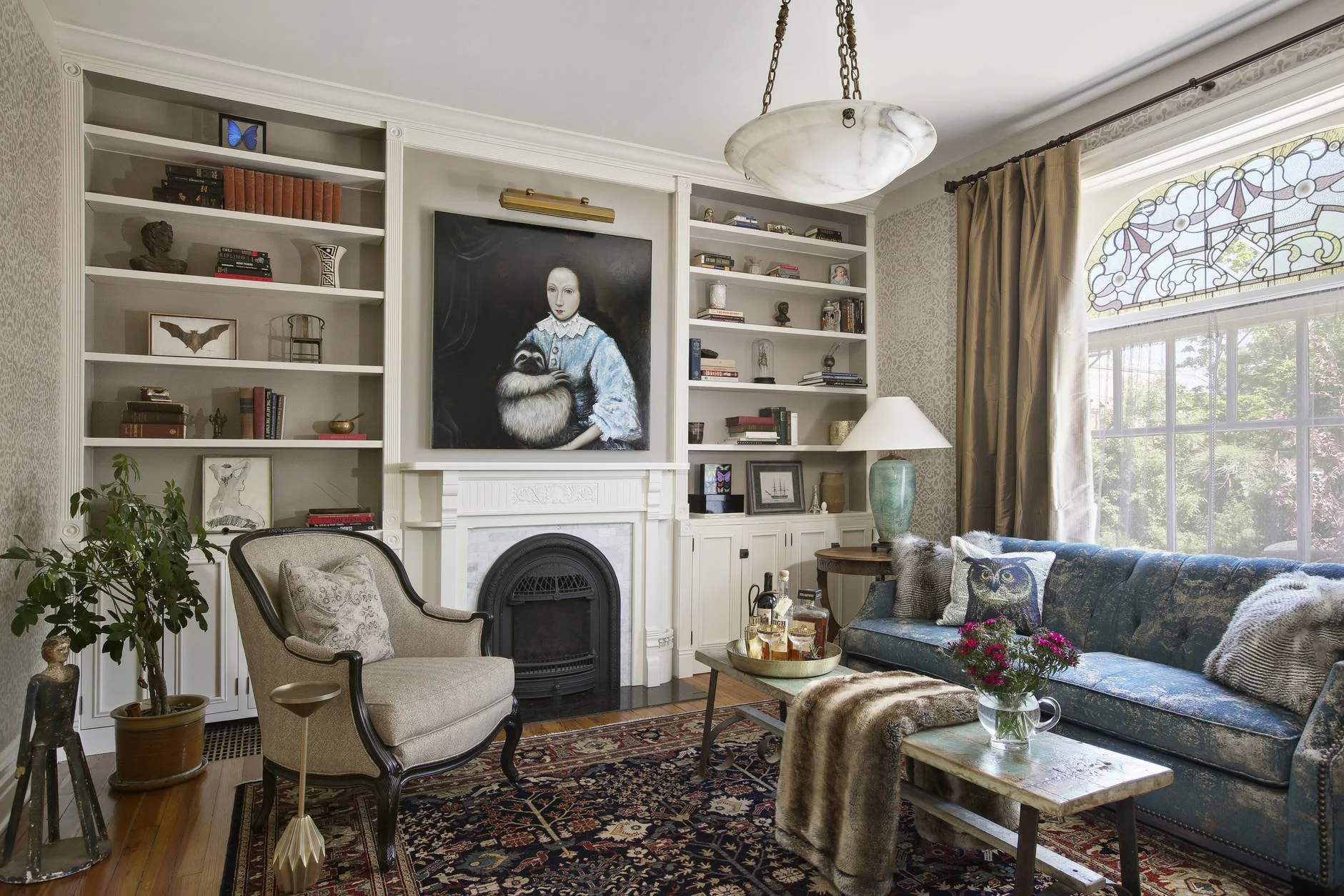
Selling a historic home in Denver isn’t like selling any other property. These homes hold stories, craftsmanship, and character that modern builds simply can’t replicate. They also sit within neighborhoods shaped by decades of community, architecture, and identity—places like Capitol Hill, Cheesman Park, Montclair, Baker, Curtis Park, Park Hill, Potter Highlands, Congress Park, City Park West, Whittier, the Wyman Historic District, Sunnyside (not all blocks, but many early 20th-century pockets), and LoHi/Highlands pockets rich with turn-of-the-century homes.
As someone who helps people create beautiful, grounded lives starting with the homes they live in, I approach historic properties with a blend of financial clarity, design instinct, and deep respect for legacy. These homes aren’t just structures. They’re chapters of the city’s story. And selling them with intention means protecting that story while positioning the property for a successful, well-qualified buyer pool.
Below is my comprehensive guide to selling your historic home in Denver—from preparation to pricing to marketing to compliance—so you can move forward with confidence and clarity.
Understanding What Makes Your Home “Historic” in Denver
Denver designates historic homes in a few key ways:
• Homes listed on the National National Register of Historic Places
• Homes designated as Denver Historic Landmarks
• Homes located within a designated Historic District
• Homes considered “architecturally significant” even without formal designation
Neighborhoods like Capitol Hill, Baker, Curtis Park, Potter Highlands, the Wyman Historic District, Montclair, Whittier, and parts of Congress Park often include designated or architecturally significant properties.
Why it matters:
Historic designation may affect exterior changes, window replacements, demolition restrictions, and the approval process for improvements. Buyers need clarity. You need transparency.
My role is to guide you through what applies to your specific home, what doesn’t, and how to communicate it confidently—while staying aligned with Denver’s preservation guidelines and all Fair Housing and RESPA regulations.
Step 1: Start With an Evaluation Grounded in Design, Market Data, and Story
Historic home valuation differs from traditional comps because no two properties are alike. Some have original woodwork, stained glass, clawfoot tubs, pocket doors, brick fireplaces, or turn-of-the-century craftsmanship that instantly elevates value.Others may need structural updates, electrical modernization, or HVAC attention.
When I evaluate a historic home, I approach it through three lenses:
1. Financial Clarity
Understanding the reality of the market, buyer demand, neighborhood appreciation, and how your home’s features influence value.
2. Design Instinct
Recognizing the details that elevate your home’s story—arched doorways, original trim, period tile, exposed brick, built-ins—and knowing how to feature them.
3. Human Connection & Legacy
Historic buyers are emotional buyers. They’re looking for meaning, character, and timelessness. Your home has a story, and telling it well becomes part of the marketing strategy.
Step 2: Determine What to Preserve, What to Restore, and What to Update
The question I get most from sellers of historic homes is:
“What should I fix before listing?”
Here’s the rule of thumb:
Preserve or restore anything original that adds value
Wood-framed windows (when possible)
Hardwood floors
Original tilework
Built-ins, millwork, wainscoting
Brick or stone fireplaces
Light fixtures with character
Stained glass or leaded glass
These elements sell your story.
Update what affects function, comfort, safety, or lender confidence
Electrical panels
HVAC systems
Roofing concerns
Foundation issues
Sewer scopes
Safety hazards
Buyers purchasing historic homes appreciate charm, but they do not want financial surprises. Proactive repairs build trust, reduce negotiation pressure, and streamline closing.
Step 3: Prepare Your Home to Shine—Without Erasing Its History
Historic homes don’t need the “white-and-gray modern flip” treatment. They need thoughtful preparation rooted in design.
Here's how I guide sellers:
Lighten, open, and frame the architecture
Use lighting, editing, and elevated staging to highlight:
Tall ceilings
Period trim
Fireplace details
Original floors
Arched doorways
Window casings
Stair railings
Crown molding and millwork
Craftsmanship details
Blend modern and historic gracefully
Buyers love:
Updated kitchens and baths that respect the architecture
Timeless fixtures
High-quality materials
Neutral tones that let the architecture breathe
Tell the home’s story visually
Professional photography—and often videography—is essential. A historic home deserves to be documented with care.
Step 4: Navigate Denver’s Historic Rules (Easily + Confidently)
Not every historic home is regulated. Many are simply old, charming, or architecturally significant.
If your home is in a designated district, we’ll discuss:
Exterior modification guidelines
Window and door replacement rules
Permit processes
Approved materials
What buyers can and cannot do
This protects you legally and avoids misrepresentation.
It also ensures full compliance with:
Fair Housing Act
RESPA
NAR Code of Ethics
Colorado real estate advertising rules
All steering and anti-discrimination regulations
Transparency builds trust—and trust builds stronger offers.
Step 5: Market Your Historic Home to the Right Buyers
Buyers of historic homes are drawn to emotion, depth, story, and character. They want a home that feels grounded and meaningful.
My approach with historic listings:
1. Story-Driven Marketing
I highlight legacy, craftsmanship, and intentionality. Buyers need to feel the significance of the home the moment they see it.
2. Neighborhood Positioning
Denver historic buyers often search with architectural curiosity. Without ever steering or directing buyers toward specific demographics, I educate on Denver’s rich architectural history across districts like:
Capitol Hill, Cheesman Park, Montclair, Baker, Curtis Park, Park Hill, Potter Highlands, Congress Park, City Park West, Whittier, the Wyman Historic District, Sunnyside’s early-century blocks, and LoHi/Highlands pockets grounded in Denver’s earliest development.
3. High-End Visual Marketing
Historic homes deserve editorial-level photography and video.
Staging and lighting are crucial.
4. Strategic Exposure
We highlight the home across buyer-rich channels, always staying compliant with NAR and state guidelines and avoiding any guarantee of outcomes.
Step 6: Pricing a Historic Home in Denver (The Art + Science)
Historic homes often attract a broader buyer profile because they feel unique—yet they require intentional pricing.
I use a hybrid model:
Market data + architectural significance + buyer behavior + historic scarcity.
We factor in:
• Modern upgrades
• Original features
• Preservation restrictions (if applicable)
• Lot size
• Condition
• Location
• Demand in your neighborhood
• Comparable architectural homes
Pricing well is one of the most important steps in successfully selling a historic Denver home.
Step 7: Prepare for a Unique Inspection + Appraisal Journey
Inspections for historic homes often bring up:
• Older electrical
• Cast-iron sewer lines
• Foundation movement
• Non-standard HVAC systems
• Window age and operability
• Roof materials (like wood shake)
Nothing here is unusual.
My role is to:
Set expectations
Guide negotiations ethically
Ensure transparency
Help you avoid unnecessary over-repairing
Keep the transaction grounded and strategic
Appraisers appreciate documentation, clarity, and transparency.
Buyers appreciate honesty.
Step 8: Close Confidently and Pass the Keys to the Next Chapter
Selling a historic home isn’t just a transaction. It’s a transition of legacy.
You’re not just selling walls and floors—you’re passing on:
Story
Craftsmanship
History
Beauty
Character
Meaning
And I hold that process with care.
If you’re considering selling a historic home in Denver—and you want a guide who understands design, value, and the emotional weight of legacy—I’d love to support you.
Let’s connect, walk through your goals, and map out the clearest, most grounded path forward.
Selling a historic home in Denver? Learn how to price, prepare, market, and navigate preservation rules with expert guidance from Heidi Cox with milehimodern.