
Beyond the Mile High: The 2026 Guide to Denver's Best Suburbs
Why Denver's Suburbs Are Drawing More Homebuyers Than Ever

Why the Suburbs? Denver’s suburbs are no longer just "overflow" for the city—they are the destination. Whether you're chasing the A+ school districts of Centennial or the historic soul of Littleton, 2026 is seeing a shift. Buyers aren't just looking for lower prices; they’re looking for a specific Tuesday-morning vibe: quiet streets, mountain views, and a backyard where the dog can actually run.
Top Denver Suburbs at a Glance:
| Suburb | Median Home Price | Commute to Denver | Best For |
|---|---|---|---|
| Littleton | $617,000 | 25 minutes | Historic charm, families |
| Arvada | $642,000 | 20 minutes | Small-town vibe, biking trails |
| Centennial | $684,875 | 30 minutes | Safety, schools, convenience |
| Aurora | $463,000 | 30-40 minutes | Affordability, diversity |
| Broomfield | $683,675 | 25 minutes | Balance of city and nature |
The shift toward suburban living isn't just about affordability—though home prices in places like Aurora and Westminster are significantly lower than downtown Denver. It's also about lifestyle. People want quiet streets where kids can ride bikes, parks within walking distance, and neighbors who know each other's names. They want highly rated schools, safe neighborhoods, and room to grow. And they want all of this without sacrificing their connection to Denver's culture, jobs, and energy.
But not all suburbs are the same. Each community has its own personality, strengths, and trade-offs. Littleton offers historic downtown charm and strong schools. Arvada brings a thriving Olde Town and easy light rail access. Centennial ranks as one of the safest cities in the nation. Aurora stands out for its diversity and affordability. Broomfield strikes a balance between Denver and Boulder, with thousands of acres of trails and open space.
Choosing the right suburb is a financial decision, but it's also a personal one. At The Heidi Cox Team, we don't just look at the MLS data; we look at the commute, the local coffee shops, and the resale value. If you're ready to find your spot in the Denver suburbs, click here and let’s chat.
Why Homebuyers Are Looking at Suburbs Outside Denver
We've seen a growing trend: more and more homebuyers are choosing Denver's suburbs over the city itself. This isn't surprising when you consider the compelling reasons these areas offer a unique blend of urban accessibility and suburban tranquility.
One of the main draws is the promise of more spacious living. While Denver proper offers vibrant city life, its suburbs often provide larger home lots and more square footage for your budget. This is especially appealing for families or anyone looking for a bit more room to breathe, a backyard for pets or play, or even space for a home office.
More affordable options are also a significant factor. With Denver's housing market growing consistently, the cost of living can be a challenge. Suburbs like Aurora and Westminster offer significantly lower median home prices, providing greater value and making homeownership more attainable for many. These areas often feature new developments with modern amenities and diverse home styles, offering something for every taste and budget.
For families, top-rated schools are a non-negotiable, and many Denver suburbs excel in this area. Communities like Littleton, Centennial, and Highlands Ranch boast stellar public school ratings, making them prime choices for those prioritizing education. This focus on quality education contributes to a strong sense of community, where families can feel confident in their children's future.
Speaking of community, the strong sense of community found in many suburbs outside Denver is a huge draw. Local events, neighborly interactions, and dedicated community spaces foster a welcoming atmosphere. Paired with generally lower crime rates, especially in areas like Centennial and Castle Rock, these suburbs offer a safer and more secluded environment compared to some urban settings, contributing to peace of mind for residents.
Finally, the incredible access to nature and abundant recreational opportunities are quintessential Colorado. Many suburbs are just a short drive from the Rocky Mountains, offering easy access to hiking, biking, and skiing. Littleton is about 20 minutes to the base of the Rocky Mountains and offers over 1,400 acres of parks and open space. Broomfield boasts over 8,000 acres of public open space and 280 miles of regional biking trails. From Red Rocks to countless local parks, residents can enjoy year-round outdoor entertainment right at their fingertips. This blend of outdoor adventure and comfortable living is why Denver's surrounding suburbs have become so desirable.
A Guide to the Best Denver Suburbs for Every Lifestyle
When evaluating the best suburbs outside Denver, we consider several key factors: safety, education, amenities, commute times, and overall community feel. Each suburb offers a unique flavor, and finding the right fit truly depends on your personal priorities and lifestyle. Let's explore some of the top choices.
Littleton: The "History" Pick
Just 10 miles south of Downtown Denver, Littleton seamlessly blends its rich history with contemporary living. With a population of 44,451, it's a vibrant community that still manages to feel grounded. The median sale price here is around $617,000, and the commute to downtown Denver is typically about 25 minutes.
Littleton is celebrated for its stellar public schools, boasting an A rating, and is often recognized as a family-friendly, safe community. Its historic downtown is a real gem, lined with locally owned restaurants and shops. Littleton is the "soul" of the South Metro. You can enjoy avocado margaritas at Cencalli Taqueria or explore unique boutiques like True Find Boutique. The Littleton Museum offers a glimpse into the area's pioneer past, while the Town Hall Arts Center provides cultural entertainment.
Outdoor enthusiasts will appreciate Littleton's over 1,400 acres of parks and open space, with easy access to the mountains. It's a community that truly caters to the whole family, including four-legged members, even electing an honorary dog mayor!
Pros: Top-notch schools, abundant outdoor recreation, charming historic downtown, strong community feel. Cons: Median home prices are above the Denver average, which can be a consideration for some budgets.
Arvada: The "Commuter" Pick
A quick 20-minute drive northwest of Denver’s city center, Arvada (population 121,414) offers a classic suburban experience with a thriving downtown. Known affectionately as the "Celery Capital of the World" for its agricultural roots, Arvada has evolved into a vibrant community with a median sale price of $642,000.
The heart of Arvada is its Olde Town Arvada Historic District, where sections of streets have been closed to car traffic, making it a pedestrian-friendly haven for strolling through shops and enjoying local eateries like Baja-inspired Lady Nomada. The Apex Center provides extensive recreational facilities, and with 280 miles of regional biking trails, it's a cyclist's paradise.
The Big Win: Arvada is one of the least expensive suburbs on the northwest side of Denver, making it an attractive option for families. The RTD's G Line light rail, which debuted in 2019, provides a direct commute to Union Station, offering convenient access to downtown Denver for professionals. I also think buying along public transit is always good for long term values.
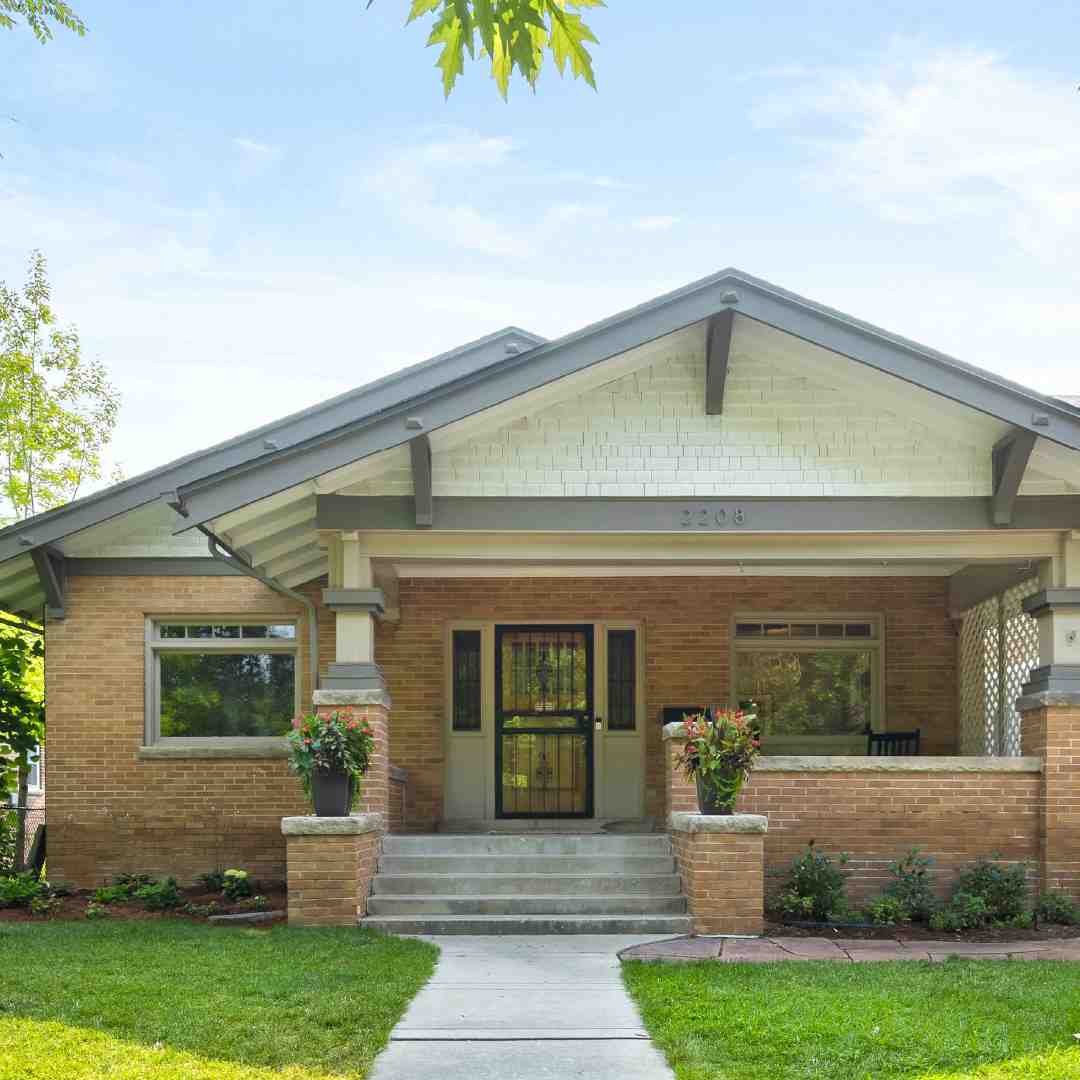
Pros: Historic downtown with modern amenities, good schools (A- rating), relative affordability compared to some other suburbs, excellent biking infrastructure, convenient light rail access. Cons: While still good, its public schools rating is slightly lower than some top-tier suburbs, and crime rates are a bit higher than some others on our list.
Centennial: The "Safety & Schools" Pick
Centennial, established in 2001, is one of Denver's newest and fastest-growing large suburbs, boasting a population of 106,966. Located a 30-minute drive southeast of Denver via I-25, its median home value stands at $684,875.
What truly sets Centennial apart is its reputation as one of the safest cities in America, making it a top choice for families. It also boasts an impressive A+ school rating, with top-rated districts like Cherry Creek Schools. The suburb’s landscape is characterized by open spaces, ravines, and hills, with easy access to beautiful outdoor areas like Cherry Creek State Park and Chatfield State Park.
Centennial is a convenient Denver suburb for families and professionals alike, offering plenty of job opportunities and easy access to the Denver Technology Center. Centennial Center Park is a hub for family-friendly events, and you'll find ample shopping and dining at places like The Streets at SouthGlenn.
Pros: Exceptional safety record, top-rated schools, abundant parks and trails, convenient access to job centers and amenities. Cons: Real estate can be expensive, and some might find it lacks the "small-town vibe" of older communities due to its master-planned nature.
Broomfield: The "Middle Ground" Pick
Situated 18 miles north of Denver, Broomfield (population 75,325) offers a balanced lifestyle, conveniently located halfway between Boulder and Denver. With a median home value of $683,675 and a commute to Denver of about 25 minutes, it’s an attractive option for those working in either city.
Broomfield is the perfect "halfway" point. If one spouse works in Denver and the other in Boulder, this is your compromise. It’s a tech and healthcare hub with a natural soul, boasting over 8,000 acres of open space. It’s quiet after 8:00 PM, but the access to the mountains is hard to beat.
The area also has a thriving job market, particularly in the professional sector, and is home to several healthcare facilities, including Children's Hospital Colorado North Campus. Its evolving food scene, with places like Hickory & Ash, adds to its appeal.
Pros: Excellent balance between urban and suburban living, abundant outdoor recreation, strong job market in tech and healthcare, great schools, low crime. Cons: Some residents note limited activities after 6 PM, and job prospects can sometimes be challenging depending on the industry.
Aurora: The "Value & Culture" Pick
Aurora stands out as one of the best suburbs outside Denver, celebrated for its diversity and rapid growth. With a population of 395,052, it's Colorado's most racially diverse city, offering a rich mix of cultures and experiences. The median sale price of $463,000 makes it one of the most affordable options among the metro suburbs, with a commute to downtown Denver ranging from 30-40 minutes.
Aurora is Denver’s most diverse and affordable ring. It’s where your dollar goes the furthest, but the real secret is the food. The "Havana Street" corridor is home to over 250 ethnic eateries—if you want the best Korean BBQ or Vietnamese in Colorado, you live in Aurora. It's a massive city with pockets for every budget, from mid-century ranches to brand-new builds.
The city also boasts extensive recreational opportunities, including five municipal golf courses, with Murphy Creek being a crown jewel.
Pros: Most affordable prices among many Denver suburbs, incredible cultural diversity, wide range of housing options, vibrant food scene. Cons: Public schools have a B rating, which might be a consideration for some families, and crime rates are generally higher compared to some other suburbs on this list.
Castle Rock: The "Mountain-Lite" Lifestyle Pick
Located about 25 miles straight south of Denver, Castle Rock is a rapidly growing community known for its breathtaking scenery, outdoor activities, and excellent hiking trails. With a commute to Denver typically ranging from 35-45 minutes, it offers a small-town feel paired with modern amenities.
Castle Rock is consistently ranked as one of Colorado’s best places to raise a family, boasting great schools (A- rating) and minimal crime. The community is nestled in the Rocky Mountains' foothills, offering incredible views of Mount Evans and Pikes Peak. Outdoor enthusiasts will find endless opportunities for recreation, from extensive trail systems to top-notch golf clubs like Castle Pines Golf Club and The Ridge at Castle Pines North. The Outlets at Castle Rock provide ample shopping.
Pros: Stunning natural beauty, abundant outdoor activities, excellent schools, low crime rates, strong family-friendly environment. Cons: Longer commute times to downtown Denver compared to closer suburbs, and while growing, the urban amenities might not be as extensive as in larger suburbs.
Parker: Small-Town Roots with High-End Growth
Parker has emerged as one of the best suburbs outside Denver for homebuyers, thanks to its rapid growth paired with a small-town feel. Located about 25 miles southeast of Denver, it balances suburban convenience with a strong community identity.
Parker offers larger and newer homes compared to Denver at a lower median value, with nearly 74% of its residents owning their homes. The suburb boasts a thriving arts and culture scene, with community events and a popular farmers' market featuring over 70 vendors. You can also find unique dining experiences, like the James Beard Award-nominated Poulette Bakeshop.
Pros: Growing community with a small-town feel, newer and larger homes, strong sense of community, cultural events. Cons: Infrastructure and public transportation are working to keep pace with rapid growth, and some residents express concerns about homelessness from Denver.
Westminster: The Strategic Hub Between Denver and Boulder
Westminster serves as a perfect outpost for those who commute to Denver but prefer to spend their weekends in Boulder, as it's located strategically between the two cities. With a population of 114,875, it offers affordable housing options (median sale price $550,000) and a strong job market, with a commute of about 27 minutes to downtown Denver.
This thriving community boasts 150 miles of multiuse trails, providing ample opportunity for outdoor recreation. The Denver-Boulder Turnpike divides its outdoor amenities, with Standley Lake to the west for water activities and Westminster Hills Open Space for off-leash dog runs. Golfers can enjoy courses like Hyland Hills and Legacy Ridge. While some dining is chain-focused, local gems like Famille offer modern French cuisine.
Pros: Affordability, strong job market, strategic location between Denver and Boulder, extensive trail system. Cons: While it has local gems, the dining scene can be more chain-heavy than some other suburbs.
Brighton: Quiet, Rural Charm (and Room to Breathe)
Brighton is increasingly attracting homebuyers with its relaxed atmosphere, reputable schools (C rating), and community amenities. Located about 30 miles northeast of Denver, it offers a quieter lifestyle while still providing access to the metro area.
As a growing suburb, Brighton is developing new facilities and services to cater to its expanding population. Its appeal lies in its more laid-back pace and community-focused environment.
Pros: Relaxed atmosphere, growing community, generally more affordable housing options. Cons: Longer commute to downtown Denver (around 30-35 minutes), schools rating is lower than many other suburbs on this list, and fewer established amenities compared to larger, older suburbs.
Comparing Key Denver Suburbs at a Glance
To help you visualize the differences, here's a quick comparison of some of the top suburbs outside Denver:
| Suburb | Median Home Price | Commute to Downtown | Vibe/Best For | Key Amenity |
|---|---|---|---|---|
| Littleton | $617,000 | 25 minutes | Historic charm, family-friendly | Olde Town Main Street, 1,400+ acres parks |
| Arvada | $642,000 | 20 minutes | Small-town heart, active lifestyle | Olde Town Arvada, G Line light rail |
| Centennial | $684,875 | 30 minutes | Safety, convenience, modern living | Cherry Creek State Park, Denver Tech Center |
| Aurora | $463,000 | 30-40 minutes | Diversity, affordability, food scene | 250+ ethnic eateries, Murphy Creek Golf Course |
Frequently Asked Questions About Denver's Suburbs
We often hear similar questions from those considering a move to the suburbs outside Denver. Here are some of the most common ones:
What are the most family-friendly suburbs of Denver?
When it comes to family-friendliness, several suburbs consistently rise to the top. Littleton, Highlands Ranch, and Centennial are often cited for their exceptional qualities. These communities typically offer:
- Top-rated schools: Many boast A or A+ school ratings, which is a major draw for families.
- Low crime rates: Providing a safe environment for children to grow and play.
- Abundant parks and open spaces: Perfect for outdoor activities, sports, and enjoying Colorado's sunshine. Highlands Ranch alone has over 70 miles of trails and is one of the largest master-planned communities in the state.
- Community events: Regular festivals, farmers' markets, and family-oriented activities foster a strong sense of belonging.
- Castle Pines and Louisville also rank highly for families, offering great schools and a welcoming atmosphere.
What are the most affordable suburbs near Denver?
Affordability is a key concern for many homebuyers, and thankfully, there are excellent options among the suburbs outside Denver that offer more bang for your buck.
- Aurora stands out with a median sale price of $463,000, making it one of the most budget-friendly choices. It offers a wide variety of housing types and is Colorado's most diverse city.
- Westminster also offers more affordable housing options, with a median sale price of $550,000, providing great value for families and first-time buyers looking for a strong job market and good amenities.
- Brighton is a growing suburb with a relaxed atmosphere and generally lower median home prices, appealing to those seeking affordability and a quieter life.
- Commerce City is another emerging affordable option, particularly known for new builds and a notable Mexican cuisine scene.
- Even Holly Hills, while small, is considered one of the most affordable places to settle down in the Denver area, with a median home sale price of $684,000 and average one-bedroom rent at $1,750, showcasing that affordability can still come with high quality.
Which suburbs have the easiest commute to Downtown Denver?
For professionals working in the city, an efficient commute is crucial. Many suburbs outside Denver offer surprisingly manageable travel times to downtown.
- Littleton has a commute time of about 25 minutes, making it very convenient.
- Broomfield also boasts a quick 25-minute commute to Denver, and it's halfway to Boulder, offering excellent flexibility.
- Greenwood Village is just over 15 miles south of downtown Denver, with a commute time of approximately 25 minutes, and is home to the Denver Technology Center.
- Englewood is another close option, with a commute of about 25 minutes to downtown Denver, benefiting from light-rail access.
- Superior also offers a 30-minute commute to Denver, making it a viable option for professionals.
These suburbs often have good access to major highways like I-25 and public transportation options, including light rail, which can help ease the daily commute.
Finding Your Place in the Denver Metro
The Denver Metro area is a treasure trove of communities, and its suburbs outside Denver offer a rich variety of lifestyles, amenities, and housing options. From the historic charm of Littleton to the diverse vibrancy of Aurora, and the natural beauty of Castle Rock, there truly is a perfect fit for everyone.
At The Heidi Cox Team, we understand that finding the right home goes beyond just square footage and price; it's about finding a community that aligns with your values, supports your daily life, and contributes to your long-term well-being. We pride ourselves on being your trusted guides, helping you navigate these choices with confidence and clarity. We blend financial clarity, strategic negotiation, and design instinct to help you make confident decisions that support both daily living and long-term wealth.
Whether you're looking for top-rated schools, abundant open spaces, a thriving downtown, or simply a quieter pace of life, we're here to help. Let's start the conversation about finding the ideal home in a Denver suburb that truly feels like yours.