
Beyond the Bricks: Discovering the Charm of Curtis Park
Why Curtis Park Denver Stands Out

Curtis park denver is Denver's oldest residential neighborhood and its first streetcar suburb, known for its walkable streets, over 500 historic Victorian homes, and a diverse, culturally rich community. Located northeast of downtown, it offers a unique blend of architectural preservation, urban convenience, and neighborhood character that's hard to find anywhere else in the metro area.
Quick Facts About Curtis Park Denver:
- History: Established in the 1860s-1870s as Denver's first streetcar suburb
- Architecture: Over 500 late 19th-century homes (Italianate, Queen Anne, Victorian Eclectic)
- Walkability: Walk Score of 92 ("Walker's Paradise") and Bike Score of 97
- Housing: Median home price around $745,255; median year built 1888
- Location: Part of the Five Points area, adjacent to RiNo Arts District
- Park: Mestizo-Curtis Park with pool, basketball courts, and playground
- Historic Status: Listed on National Register of Historic Places; Denver Landmark Districts
The neighborhood has evolved through multiple waves of residents—from European immigrants and business magnates in the 1870s to African American, Latino, and Japanese American families who built vibrant cultural hubs along Welton Street. Today, Curtis Park is experiencing renewed interest as buyers seek homes with character and a strong sense of place.
I'm Heidi Cox, and our team has helped many families navigate the unique considerations of buying historic homes in curtis park denver, from understanding design review requirements to finding properties that balance original charm with modern livability. If you have time for a quick read, you can read the 5280 Renovation issue here on my own personal Curtis Park Home. Let's explore what makes this neighborhood special and whether it might be the right fit for your next chapter.
A Walk Through History: Denver's First Streetcar Suburb
To truly appreciate Curtis Park Denver, we need to step back in time. This neighborhood isn't just old; it's Denver's original planned "suburb," a testament to early urban expansion and innovation. Established in the 1860s and 1870s, it predates many parts of Denver as we know it today, quickly becoming a fashionable area for the city's growing population.
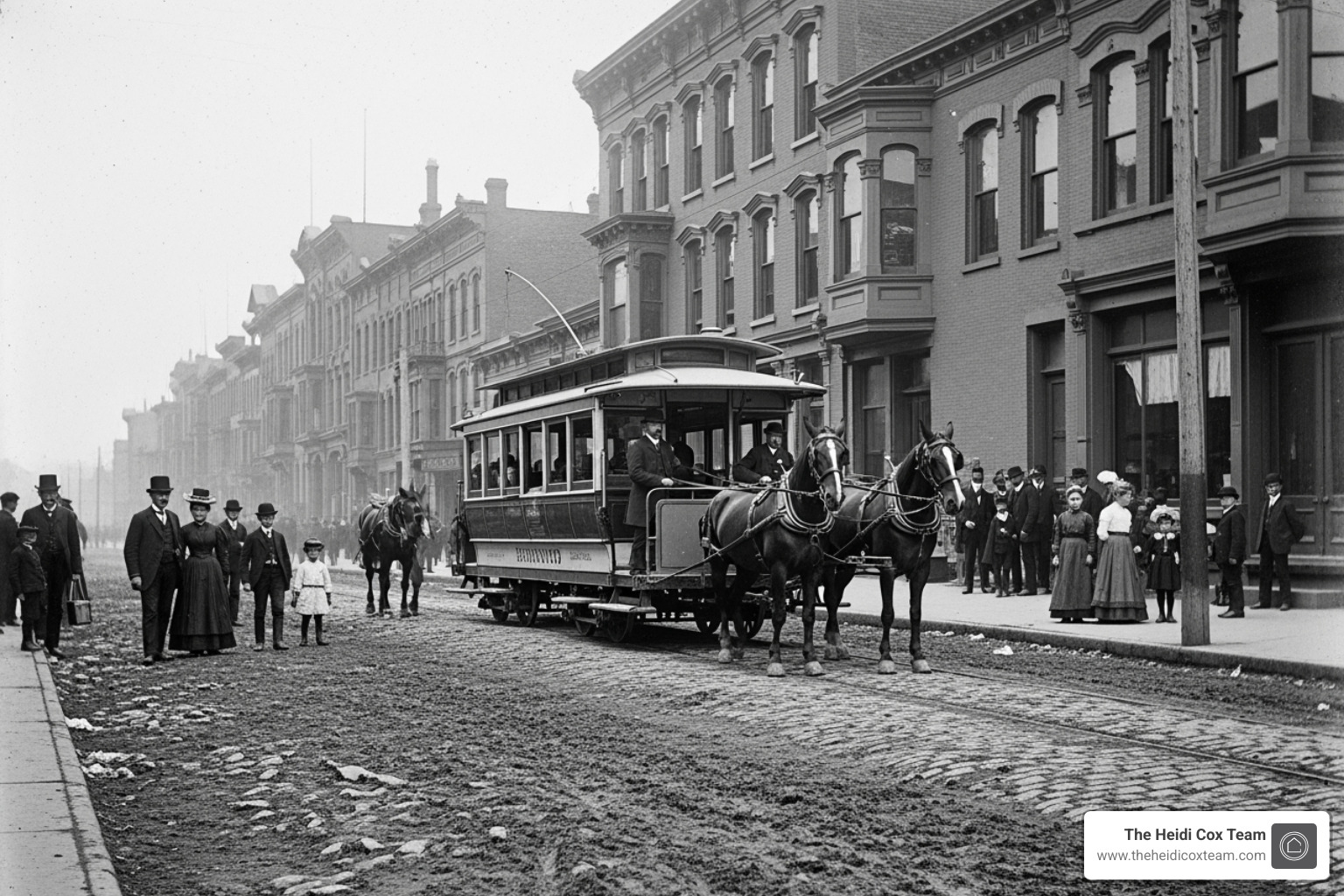
The catalyst for this growth was the horse-drawn streetcar. In 1871, Denver's first streetcar line extended into what was then considered remote land, making it accessible and desirable. This innovation allowed residents to live a little further from the busy, industrial city center while still enjoying an easy commute. This era, often called Denver's "golden age" (1870-1893), saw the city's population explode from just over 4,700 to more than 106,000. Many of the beautiful homes we see today in Curtis Park were built during this boom, particularly between 1879 and 1887.
However, this golden age was abruptly halted by the Silver Crash of 1893. As the local economy faltered, many of the original wealthy residents moved away, and their grand homes were often converted into boarding houses, reflecting a significant demographic shift.
Curtis Park Denver has always been a place of evolving diversity. Initially, it was a melting pot of European immigrants, with a mix of business elites and working-class families living side-by-side. This early tolerance for social and economic distinctions was quite unique for its time. As the 20th century progressed, the neighborhood continued to welcome new communities. Latino and African American families increasingly moved into the district, especially during the teens and twenties. Welton Street, which borders Curtis Park, emerged as a vibrant cultural hub for Black communities.
It's important to acknowledge that this period also brought challenges, including the pervasive issue of racially restrictive housing covenants. These covenants were legal agreements that prevented people of color from buying or renting homes in certain areas, attempting to erase opportunities for Black and Latino families to thrive. Despite these discriminatory practices, the residents of Curtis Park demonstrated remarkable resilience and built strong, vibrant communities that defied these restrictions. The neighborhood also became home to Japanese American families, particularly during and after World War II, when Governor Ralph Carr famously welcomed them to Colorado.
The mid-20th century saw another period of decline, with some historic homes demolished for public housing. But the spirit of Curtis Park Denver endured. Preservation efforts began to gain momentum, recognizing the immense historical and architectural value of the area. To dig deeper into this rich narrative, we recommend exploring Denver's neighborhood history resources.
The Architectural Mix of Curtis Park Denver
Walking through Curtis Park Denver is like stepping into an open-air museum of late 19th-century architecture. The neighborhood boasts over 500 historic homes, each telling a story of Denver's early prosperity and design trends. These residences reflect the diverse tastes and economic strata of its original inhabitants, from grand mansions to more modest, yet equally charming, cottages.
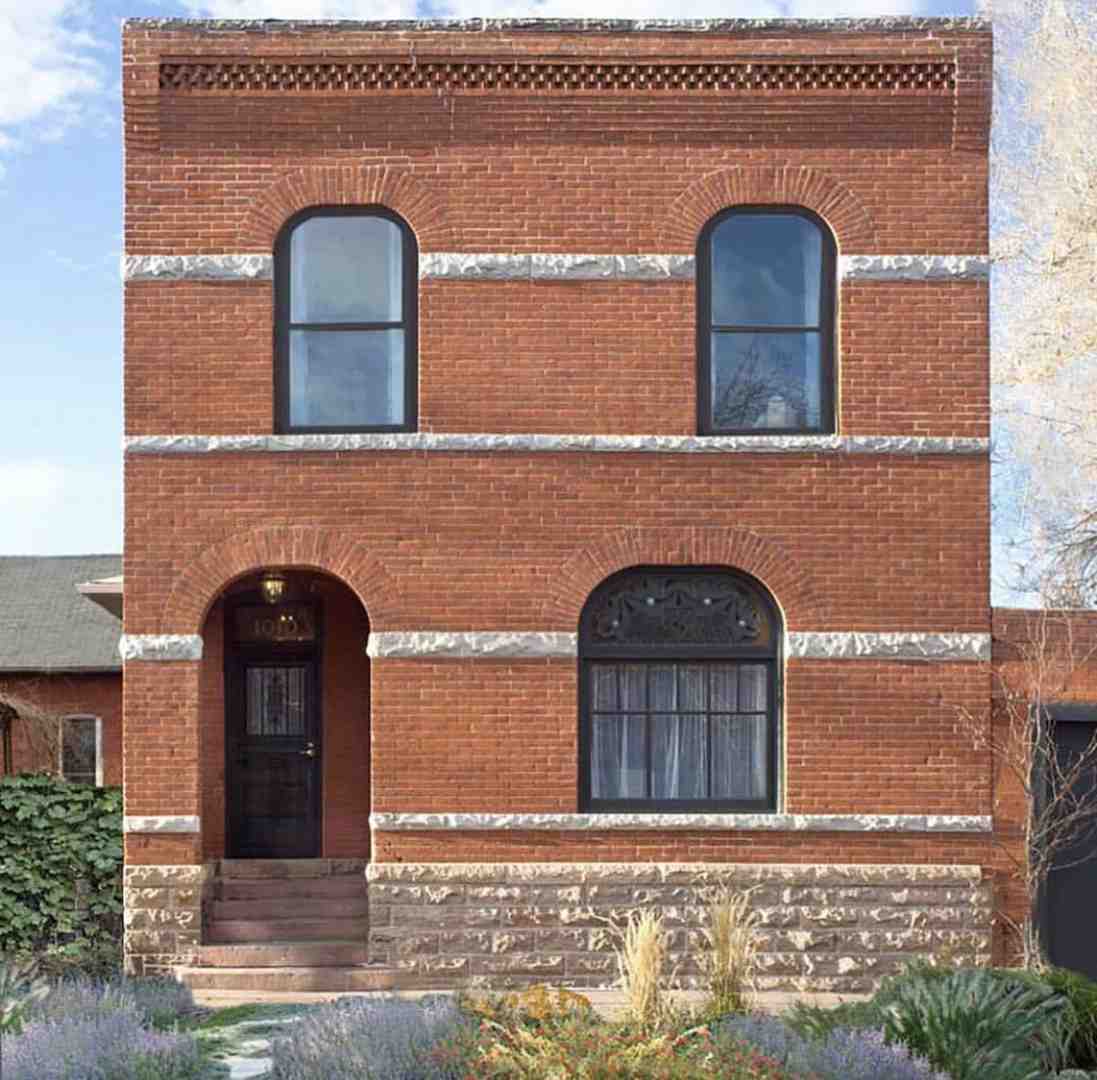
We see an incredible array of architectural styles here, including:
- Italianate: Characterized by low-pitched or flat roofs, wide overhanging eaves with decorative brackets, and tall, narrow windows.
- Queen Anne: Known for its asymmetry, turrets, towers, bay windows, and decorative spindle work and fish-scale shingles.
- Victorian Eclectic: A blend of various Victorian-era styles, often featuring ornate detailing and a rich mix of materials.
- Romanesque Revival: Identified by its round arches, heavy masonry, and often rough-faced stone.
- Denver Squares: A more restrained, boxy style that became popular in the early 20th century, often blending Victorian and Craftsman elements.
- Craftsman Bungalows: While less prevalent than Victorian styles, some examples exist, showcasing their distinctive low-pitched roofs and wide eaves.
This remarkable collection of buildings is why a large portion of Curtis Park Denver was listed on the National Register of Historic Places in 1975, with its boundaries expanded in 1983. This national recognition highlights the neighborhood's importance in the story of American development. Furthermore, Curtis Park Denver has achieved Denver Landmark status on eight separate occasions, providing additional protections and recognition for its significant historic importance. These designations are crucial for preserving the unique character that draws so many to the area.
Living in a Historic District
Owning a home in a historic district like Curtis Park Denver is a unique experience that comes with both immense pride and specific responsibilities. We often guide our clients through what it means to live in a place where history is not just preserved, but actively protected.
The primary responsibility for homeowners in these areas is to maintain their properties in a way that respects the neighborhood's historic character. This often involves a "design review process" for any external changes. This doesn't mean you can't make updates or renovations, but rather that changes must be compatible with the existing architectural styles and "character-defining features" of the district. These features include original building materials (like the common earth-tone orange brick), specific physical traits associated with a building's architectural style, and even elements like window types and porch designs.
The Curtis Park Neighborhood Association plays a vital role in this. They are a Registered Neighborhood Organization (RNO) that works tirelessly to preserve the area's historic character and plan for its future. They offer guidance and support to homeowners, and their Design Review Committee helps ensure that any proposed changes maintain the integrity of the neighborhood. We encourage all residents to get involved, attend monthly meetings, or join a committee to contribute to the community's vibrant future.
To assist homeowners with the costs associated with maintaining historic structures, various financial incentives are available. These include State Historic Tax Credits and other grants. These credits can help lower state property tax bills for qualifying upgrades, such as electrical, plumbing, heating, air conditioning systems, and exterior rehabilitation work like foundation repairs, re-roofing, and restoring historic woodwork and windows. We can help you connect with resources and experts who specialize in historic home renovations, ensuring your project meets preservation guidelines while enhancing your home's value and livability. For a broader look at how we support our clients in various real estate needs, explore our Denver Real Estate Services Complete Guide.
Modern Life in a Historic Setting
Despite its deep roots in history, Curtis Park Denver is far from stuck in the past. It's a vibrant, dynamic neighborhood that seamlessly blends its historic charm with modern urban living. We find that our clients are often drawn to its incredible walkability and accessibility, which are truly exceptional for Denver.

The neighborhood boasts an impressive Walk Score of 92, earning it the designation of a "Walker's Paradise." This means most daily errands can be accomplished on foot, a huge perk for many of our residents. For those who prefer two wheels, Curtis Park Denver is a "Biker's Paradise" with a Bike Score of 97, thanks to its numerous bike lanes and flat terrain. Public transportation is also a strong suit, with a "Good Transit" Transit Score of 57, meaning many bus routes connect residents to downtown and beyond. While traffic can get busy on main arteries like Park Avenue, many residents find they don't even need a car for daily life.
At the heart of the neighborhood's recreational offerings is Mestizo-Curtis Park, the area's namesake and Denver's first park, established in 1868. This amazing park offers a variety of amenities that make it a community hub, including an outdoor pool, basketball courts, fitness equipment, and a playground. It's a fantastic spot for families and individuals to relax, exercise, and connect with neighbors.
Curtis Park Denver is strategically located, offering easy access to some of Denver's most exciting cultural and culinary destinations. It sits adjacent to the thriving RiNo Art District, known for its vibrant street art, galleries, breweries, and innovative eateries. The neighborhood is also an integral part of the broader Five Points area, which holds immense significance in Denver's African American history. This heritage is celebrated through events like the annual Five Points Jazz Festival and the Juneteenth Music Festival, bringing music, art, and community together.
When it comes to dining and shopping, residents have plenty of options. The Denver Central Market, a popular food hall, offers a diverse selection of local vendors and eateries. For a quick and delicious bite, the Curtis Park Deli is a local favorite. You'll also find a mix of local boutiques and easy access to larger supermarkets and retail centers nearby.
Real Estate in Curtis Park Denver
The real estate market in Curtis Park Denver is as unique and diverse as its history. We often hear from clients who are specifically looking for homes with character, homes that tell a story, and that's precisely what you'll find here. The median year a home was built in Curtis Park is 1888, offering a significant inventory of historic properties.
The median home price in Curtis Park Denver is approximately $745,255, with an average price per square foot of $475. While the median sale price for homes in the last 12 months was $585,000, reflecting some market shifts, single-family homes typically command higher prices, with a median around $705,000. You'll find a wide range of options, from charming fixer-uppers to carefully restored Victorian gems, and even newer contemporary infill homes and rowhomes that blend seamlessly into the urban fabric. This mix of housing types, from historic to modern, at various price points, is part of what makes the neighborhood so appealing.
Many of these historic homes are single-family residences, but the neighborhood also features attractive rowhomes and multi-family dwellings. There’s a growing trend of modern infill construction, where abandoned structures are replaced with new residences and mixed-use developments. These newer homes often feature open-concept designs that appeal to today's buyers and can sell at a premium.
Our team has observed that people choose Curtis Park Denver because they desire that unique character and the sense of history that only century-old buildings with strong familial legacies can offer. It’s a really vibrant neighborhood with homes that have been passed down through generations. If you're envisioning an urban lifestyle that combines historic charm, a strong community, and incredible walkability, then Curtis Park Denver might be a fantastic fit for you. For more insights on finding your ideal spot in the city, check out our guide to the Best Places to Live Denver Co.
Key Real Estate Stats for Curtis Park Denver:
- Median Home Price: ~$745,255
- Average Price Per Sq Ft: $475
- Median Year Built: 1888
- Walk Score®: 92 (Walker's Paradise)
- Bike Score®: 97 (Biker's Paradise)
- Transit Score®: 57 (Good Transit)
- Median Household Income: $69,835
- College Graduates: 47.3% (above national average)
The Future of Curtis Park: Balancing Preservation and Growth
The story of Curtis Park Denver is one of continuous evolution, and its future involves a delicate balance between honoring its past and embracing necessary growth. We see ongoing revitalization efforts throughout the neighborhood, spurred by renewed interest in urban living and historic preservation.
One of the most significant challenges facing the neighborhood, like many historic urban areas, is gentrification. As the area becomes more desirable and property values rise, there are legitimate concerns about affordability and the displacement of long-term residents. This is a complex issue, and community development efforts are focused on finding solutions that allow for growth while maintaining the neighborhood's unique social fabric and economic diversity.
A key part of this strategy involves Accessory Dwelling Units (ADUs). These secondary structures, often built in backyards or above garages, are being encouraged as a way to provide additional housing options within the existing urban footprint. ADUs not only help address housing needs but also continue the neighborhood's historic pattern of secondary structures, contributing to a vibrant and growing community.
The spirit of community-led revitalization has deep roots here. Back in the early 1980s, Historic Denver's FACE Block Rehabilitation Program played a crucial role, revitalizing 50-60 houses and inspiring a renewed sense of neighborhood pride. This initiative demonstrated the power of collective action in preserving historic architecture and fostering community resilience.
Today, the planning for the future of Curtis Park Denver involves thoughtful consideration of adopted area plans. These plans provide the legal basis for rezoning proposals and guide budgeting and project implementation with Denver agencies, ensuring that development aligns with community values and preservation goals. If you're interested in understanding the broader real estate landscape and how these trends might impact your decisions, our Denver Real Estate Blog is an excellent resource.
Is Curtis Park Denver the Right Fit for You?
So, with all this rich history and dynamic present, is Curtis Park Denver the right place for your next home? We believe it offers a compelling lifestyle for many, but it's important to consider both the advantages and the unique aspects of living here.
Pros of living here:
- Historic Charm & Character: You'll be surrounded by beautiful, unique architecture with stories embedded in every brick.
- Strong Community: The neighborhood association is active, and residents often share a deep appreciation for their community.
- Cultural Vibrancy: Proximity to Five Points and RiNo means access to diverse cultural events, arts, music, and culinary experiences.
- Walkable & Bikeable Lifestyle: Enjoy the freedom of easily getting around on foot or bike, with excellent transit options for longer commutes.
- Urban Convenience: Close to downtown Denver, Coors Field, and a variety of local shops, restaurants, and amenities.
Considerations for residents:
- Historic Home Maintenance: While charming, older homes can require more specialized care and adherence to historic district guidelines for exterior changes.
- Urban Density: As a central, historic neighborhood, it has a higher population density than more suburban areas.
- City Noise Levels: With its urban location, you might experience more city sounds than in quieter residential areas.
- Parking: Parking can sometimes be tricky, especially near popular businesses, although many residents find they don't need a car for daily activities.
Curtis Park Denver offers a lifestyle that emphasizes character, community, and connectivity. It's a place where history is alive, and the future is being shaped by engaged residents.
Conclusion
Curtis Park Denver is more than just a neighborhood; it's a living narrative, a vibrant blend of Denver's pioneering past and its dynamic present. From its beginnings as the city's first streetcar suburb, through periods of significant demographic change and revitalization, it has maintained a unique character rooted in its historic architecture and resilient community spirit. We've explored its rich history, its stunning architectural diversity, the practicalities of living in a historic district, and the lively modern amenities that make it such a desirable place to call home today.
 At The Heidi Cox Team, we're passionate about helping our clients find not just a house, but a place where they can build a beautiful, grounded life. Curtis Park Denver offers a distinct sense of place that resonates with those seeking authenticity and a strong connection to their community. If you're captivated by the story and character of this area, explore our complete Curtis Park Denver Neighborhood Guide to learn more and see what's available. We're here to be your trusted guide, offering deep local expertise and thoughtful advocacy every step of the way. Click here to begin working together!